
For many homeowners, equity can be a practical way to step into property investment without…

Is it cheaper to build or buy a home?
For many Australians, deciding whether it’s cheaper to build or buy a house is one of the biggest financial questions they’ll face. Both options have advantages—and hidden costs—that can dramatically affect your overall budget, borrowing power, and long-term comfort.
While a new house allows you to design your dream home from the ground up with energy-efficient features and modern materials, an established property offers the benefit of moving in sooner with fewer surprises.
The right choice depends on what matters most to you—upfront affordability, lifestyle flexibility, or long-term savings.
With rising construction costs, land availability, and market conditions varying across Australia, the gap between building and buying has shifted in recent years. Below, we’ll break down what’s driving those changes, how much each option really costs, and which might be the more cost-effective choice for your situation.
Key takeaway
In 2025, building a new home was slightly cheaper than buying an existing property in most capital cities. However, the total cost depends heavily on land prices, rising construction costs, ongoing expenses, and your preferred location and timeline. Building can offer better energy efficiency and long-term savings, while buying can help you move in sooner with fewer variables.
All cost figures are rough estimates only, based on 2025 data from various sources. Actual figures will vary depending on location, builder contracts, and market trends. Always compare detailed quotes, check eligibility criteria for grants, and factor in hidden costs before deciding whether building or buying is your most cost-effective choice.
Comparing the cost to build or buy a house
Before deciding whether to build or buy, it helps to look at how the numbers stack up. Below is a snapshot of average construction costs compared with median house prices across major Australian cities in 2025.
| City | Average construction costs (3-bedroom home) | Median house value (September 2025) | Which appears cheaper? |
| Sydney | $450K – $600K | $1,241,054 | Build |
| Melbourne | $400K – $550K | $805,880 | Build |
| Adelaide | $350K – $500K | $855,998 | Build |
| Brisbane | $380K – $520K | $969,868 | Build |
| Perth | $380K – $540K | $855,267 | Build |
Sources:
- Average Construction Costs—Matrix Estimating, March 2025
- Median House Value—Property Update, October 2025.
These figures provide rough estimates only. They vary depending on land availability, square metre rate, location, and market conditions.
Example cost breakdown
Building a 220sqm home at an average of $2,500 per square metre is about $550,000 in construction costs. Add $350,000 for land and $30,000 in permits and site prep; your total cost is roughly $930,000.
By contrast, an existing home in the same area might sell for $1.05 million, meaning buying could cost an extra $120,000 upfront, but with fewer surprises along the way.
Hidden and expected costs of building
While a new home build can look cheaper on paper, it’s crucial to factor in hidden costs that don’t appear in base quotes. These may include:
- Site preparation (levelling, drainage, retaining walls)
- Council approvals and permits
- Design fees and surveys
- Driveways, landscaping, fencing, and outdoor areas
- Long build times and potential rent or mortgage overlap
- Rising construction costs or labour shortages
Choosing fixed-price contracts or a house and land package can help reduce risk, but ensure you understand what’s excluded—changes to fittings or finishes after signing can lead to unexpected costs.
Upfront vs total cost
When comparing the cost of building versus buying, consider two stages:
- Upfront cost—The deposit, land purchase, stamp duty, and build costs.
- Total ownership cost—Long-term utility costs, maintenance, and resale value.
Those who build often pay stamp duty only on the land value, while buyers of established homes pay stamp duty on the entire purchase price, which can add tens of thousands to the total cost. However, an existing home usually has an established garden, driveway, and fencing—elements you’ll pay for separately when building.
Timeline and move-in date
Building a house typically takes 8–14 months, depending on council approvals, material availability, and builder schedules. That can mean paying both rent and a mortgage for several months.
By comparison, buying an existing property often allows you to move in within 30–90 days of settlement. For buyers needing to secure a home sooner, purchasing an existing one can be the more practical path.
Pros and cons: Building vs buying
| Building a house | Buying an existing home |
| Custom design and layout to suit your needs | Move in faster—usually within weeks |
| Pay stamp duty only on land value | No construction delays or cost blowouts |
| May qualify for government grants (check eligibility criteria) | Already landscaped and ready to live in |
| Often, they are more energy efficient and built with modern materials | Character homes often in established suburbs |
| Lower long-term utility costs | Older properties may require maintenance |
| Freedom to choose location and land packages | More predictable costs and simpler financing |
| May face rising construction costs or supply issues | Must pay stamp duty on total property value |
When building makes sense vs when buying makes sense
| When building makes sense | When buying makes sense |
| You’ve found vacant land in your desired location | You want to move into your own home sooner |
| You want to design a new house with energy-efficient features, such as solar panels | You prefer an established property close to schools or public transport |
| You’re eligible for government grants for new builds | You’d rather avoid construction risks and delays |
| You prefer the flexibility to choose layout, materials, and fixtures | You’re buying in regional areas where land prices and building costs vary depending on supply |
| You can manage temporary housing or dual payments during construction | You’re happy to renovate or improve an older property over time |
Comparing construction loans and traditional home loans
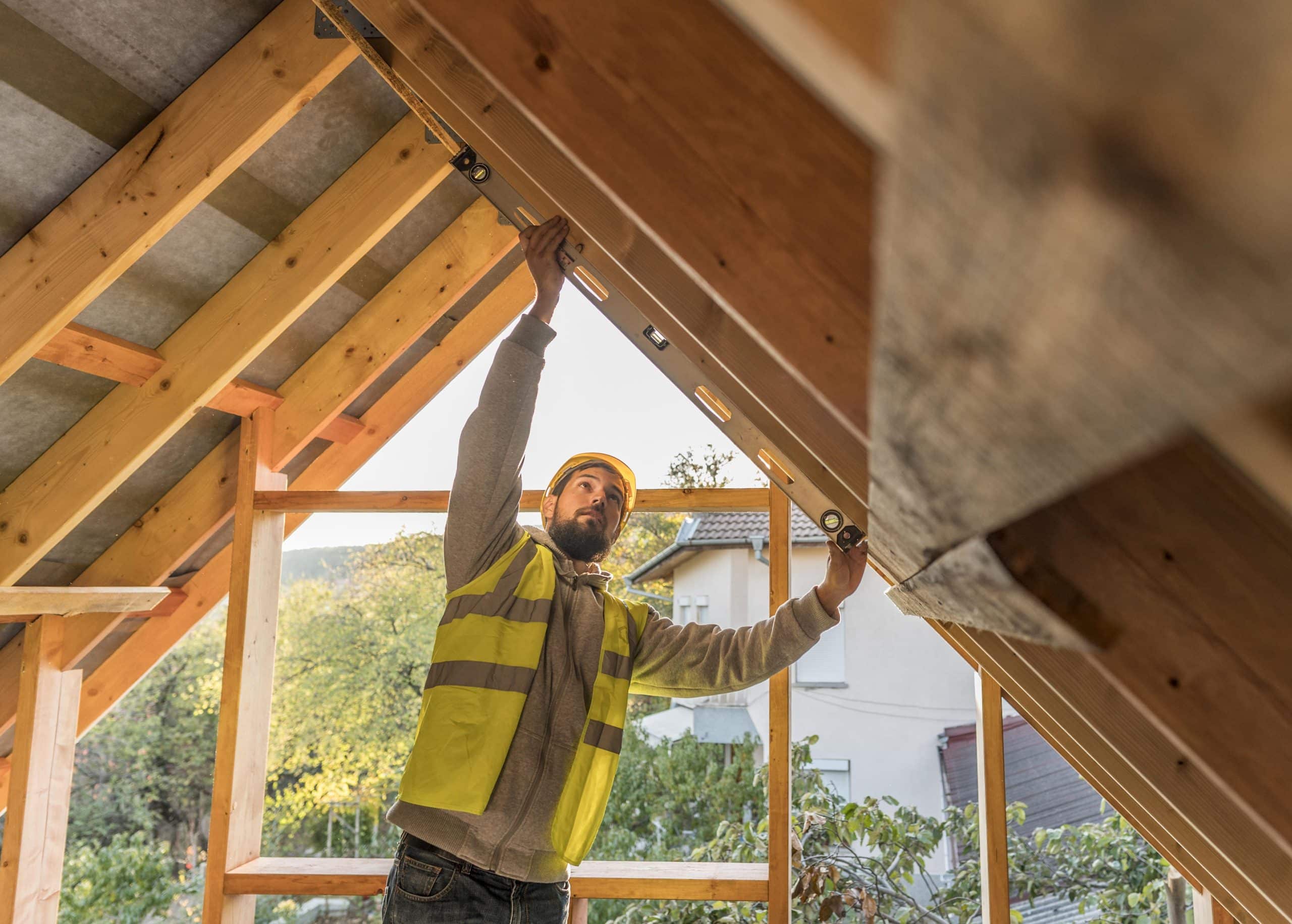
Image: Freepik
If you decide to build a house instead of buying an existing home, the type of financing you need is slightly different. A construction loan is designed specifically for building, while a traditional home loan is typically used when purchasing an established property.
Understanding how these loans differ can help you manage your cash flow, interest payments, and overall costs more effectively.
How a construction loan works
A construction loan is released in stages—known as progress payments—as the building reaches key milestones such as laying the slab, framing, lock-up, and completion. You’ll only pay interest on the portion of the loan that has been drawn down, not the full amount. This staged approach helps you keep track of expenses and ensures the builder is paid only for completed work.
Here are some of the advantages and disadvantages of opting for a construction loan.
| Advantages | Disadvantages |
|
|
Next steps
If you’re deciding whether to build or buy, start by gathering quotes from builders and reviewing recent property sales in your preferred area. Then, consider construction loan options, fixed-price contracts, and how ongoing costs might differ between a new and existing home.
For tailored guidance, speak with a mortgage broker who can help you explore home loans, construction loans, and land packages that align with your financial goals and timeline. For personalised advice, book a free 15-minute Discovery Call with the team at Watson Mortgages—we can help determine your options and set you on the right path to your dream home.
Disclaimer:
Watson Mortgages Pty Ltd (Nestor Ramirez Credit Representative Number 378816) is authorised under Australian Credit Licence 389328. Watson Mortgages Pty Ltd ABN 29 642 538 967 is a separate entity to Elliot Watson Financial Planning Pty Ltd. Elliot Watson Financial Planning Pty Ltd is a Corporate Authorised Representative of RI Advice Group Pty Ltd, ABN 23 001 774 125 AFSL 238429. This page provides general information only and has been prepared without taking into account your objectives, financial situation or needs. We recommend that you consider whether it is appropriate for your circumstances and your full financial situation will need to be reviewed prior to acceptance of any offer or product. It does not constitute legal, tax or financial advice and you should always seek professional advice in relation to your individual circumstances. Subject to lenders terms and conditions, fees and charges and eligibility criteria apply. Corporate Authorised Representative of RI Advice Group Pty Ltd, ABN 23 001 774 125 AFSL 238429.
Feature Image: Freepik
Relevant Articles

