
Managing debt can feel overwhelming, especially when you’re juggling multiple debts with different interest rates…

What happens when a fixed-rate mortgage ends?
If you are wondering what happens when a fixed-rate mortgage ends, the short answer is this: your home loan will usually move to your lender’s standard variable rate unless you take action before the fixed-rate period finishes. That change can affect your home loan repayments, your flexibility, and the amount of interest you pay over time.
For many borrowers, a fixed-rate ending is the right time to review their loan structure, compare options, and decide whether to stay put, refix, or explore refinancing.
What to expect
When a fixed-rate mortgage reaches the end of a fixed period, your fixed term expires. In many cases, the loan will automatically move from a fixed-rate loan to a variable-rate home loan with your current lender. That means the fixed interest rate term ends, and a new variable interest rate applies.
If your lender’s variable rate is higher than your old fixed-rate, your repayments may jump quickly. The biggest change isn’t just the rate itself; it’s the flow-on effect on your budget, monthly cash flow, and your ability to save money.
A fixed period can feel predictable because your repayments stay steady for the agreed rate period. Once the fixed-rate expires, your home loan fixed arrangement ends, and your costs can become more sensitive to market conditions, the cash rate, and lender pricing changes.
If interest rates drop, moving to a variable product might help. If interest rates are rising, though, the jump can be harder to manage. That’s why it’s smart to plan well ahead of the fixed term’s end.
Why repayments can change after a fixed-rate ending
A fixed-rate home loan offers certainty for a set term. During that time, your lender locks in your home loan rate and your required repayments.
Once that fixed term is over, the old rate no longer applies. Your lender may automatically roll your loan onto a higher variable rate loan, which can lead to lower repayments disappearing and minimum costs increasing instead.
For example, if your fixed-rate ending leaves you with a higher home loan interest rate, your minimum repayments can rise. That can affect your day-to-day money management, especially if your personal circumstances have changed since you first took out the loan.
Your financial situation matters here. A repayment increase may feel manageable for one household, but difficult for another. Changes in life, income, family needs, or other debts can all shape what happens next.
The good news is that if your current setup no longer suits your circumstances, there may be a better fit available.
Your main options when your fixed-rate expires

Image: Freepik
Option #1: Stay with your current lender on a variable rate
This is often the default option. It may be the simplest path, but not always the cheapest.
You might keep your existing loan account and switch to a variable loan with minimal paperwork. But convenience does not always mean value, so it is worth checking whether the new interest rate and fees stack up.
Option #2: Refix your home loan
Some borrowers choose to refix for a new fixed term. This can help if you want certainty and prefer repayments that are easier to forecast.
A new rate loan may suit your plans, but it is important to consider flexibility as well. Some fixed products can limit extra repayments, access to an offset account, or future changes to your loan structure.
Option #3: Refinance to a new loan
A new loan with a different lender may offer a lower interest rate, different features, or a structure better suited to your goals. Refinancing may help you save, reduce total interest, or access better features. Depending on the loan, it could also improve flexibility for an owner-occupier or an investment property.
Should I refinance my home loan when my fixed term ends?
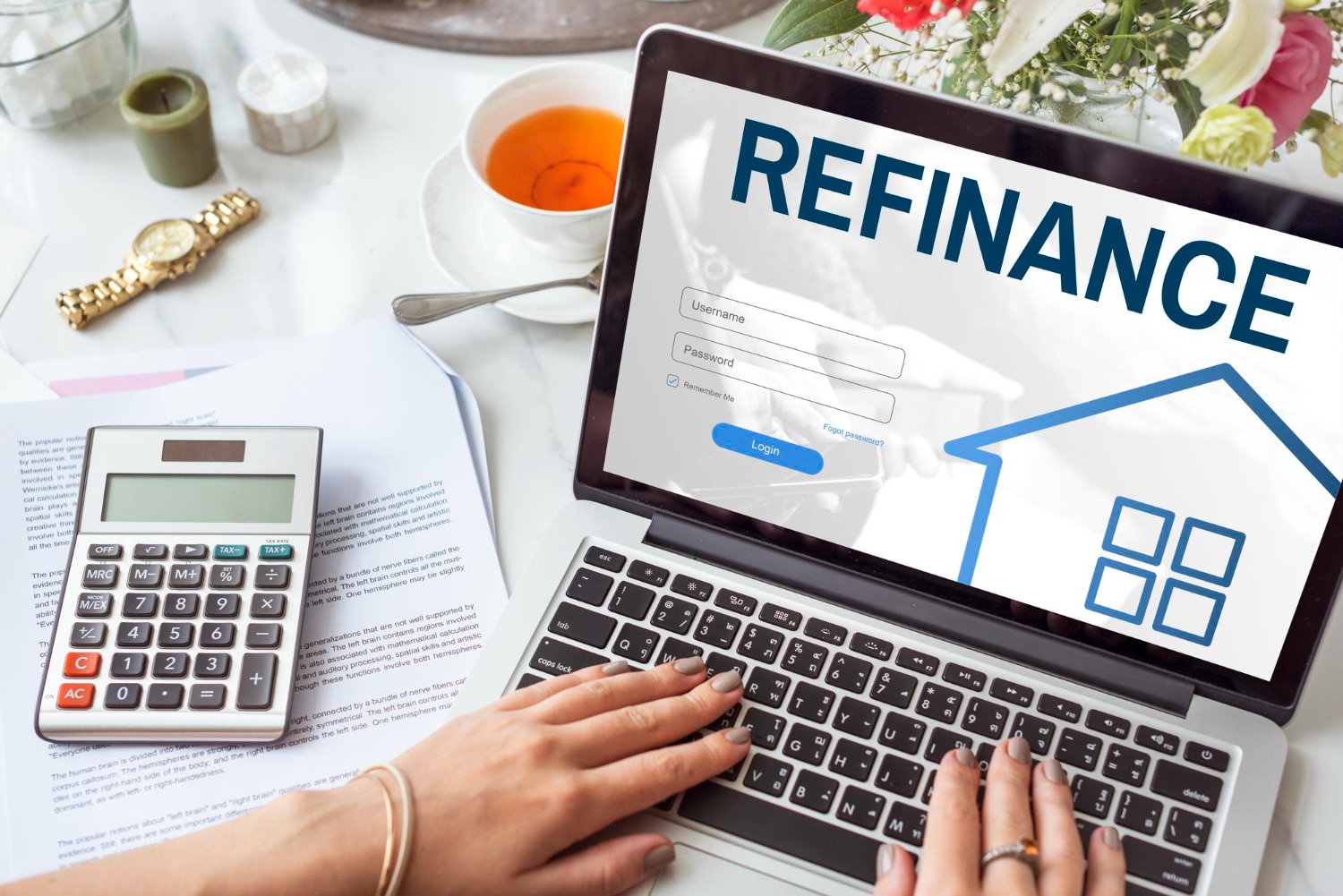
Image: Freepik
There’s no one-size-fits-all answer to this question. The right move depends on your circumstances, goals, and what your lender is offering.
Refinancing may be worth considering if:
- Your lender’s rollover rate is no longer competitive
- You want a lower rate or lower repayments
- You need more flexibility around extra repayments
- You want an offset account
- Your current home loan no longer suits your personal circumstances
- You want to change your loan term or overall loan structure
It can also help to compare the total package, not just the headline home loan rate. A product with a sharp rate may still fall short if the fees, restrictions, or features do not suit the way you manage your mortgage.
That said, refinancing is not always the best option. New applications still require assessment, and lending criteria apply. Your income, expenses, equity position, credit history, and broader financial situation will all matter.
In other words, lending criteria still need to be met. It’s helpful to review your options early rather than waiting until the very last minute.
What to check before you make a decision
Before your fixed-rate ends, it pays to slow down and review the full picture. Start with these questions:
- What rate will apply when the fixed-rate expires?
- Will my loan automatically move to a variable product?
- Can I negotiate with my current lender?
- Would a different lender offer a lower interest rate or stronger features?
- Do I need flexibility for extra repayments or redraw?
- Is an offset account important to me now?
- Are there any fees, refinance costs, or valuation costs to factor in?
- How will any new repayment amount affect my budget?
You should also think about timing. Some borrowers consider switching before the fixed term expires, but ending a fixed product early can trigger break costs or break fees. Those costs can be high, so always ask for the full details first.
It’s also worth remembering that no decision should be based solely on the rate. Changes in market conditions, the cash rate, and your future plans all matter. If you expect changes in income, family expenses, or property goals, that should shape the decision too.
For some households, the best move is stability. For others, it is flexibility. For others, it is simply a chance to save money over the long term.
Use calculators and expert advice to plan ahead
A fixed-rate ending should never come as a surprise. The earlier you review your options, the more control you usually have.
One practical first step is using online tools to model different scenarios. For example, we offer various calculators, including:
- Loan Repayment Calculator
- Extra Repayment Calculator
- Comparison Rate Calculator
- Loan Comparison Calculator
Our calculators can help you understand how different rates and repayment amounts may affect your costs.
Still, calculators only tell part of the story. They do not assess your borrowing position, future plans, or changes in lender policy. Because every borrower’s needs are different, you should also get independent legal and financial advice where appropriate before acting.
If your fixed-rate mortgage is coming to an end, now is the time to review your options. Watson Mortgages offers a free service, compares 30+ lenders, and helps clients weigh up options such as refinancing, restructuring, or finding a more competitive loan setup.
If you want clarity on what happens when a fixed-rate mortgage ends, or you are considering refinancing your home loan, contact Watson Mortgages to discuss your options and find a solution that fits your goals.
Disclaimer
Watson Mortgages Pty Ltd (Nestor Ramirez Credit Representative Number 378816 and Gary Gilbert Credit Representative Number 432216) is authorised under Australian Credit Licence 389328. Watson Mortgages Pty Ltd ABN 29 642 538 967 is a separate entity to Elliot Watson Financial Planning Pty Ltd. Elliot Watson Financial Planning Pty Ltd is a Corporate Authorised Representative of RI Advice Group Pty Ltd, ABN 23 001 774 125 AFSL 238429. This article provides general information only and has been prepared without taking into account your objectives, financial situation or needs. We recommend that you consider whether it is appropriate for your circumstances and your full financial situation will need to be reviewed prior to acceptance of any offer or product. It does not constitute legal, tax or financial advice and you should always seek professional advice in relation to your individual circumstances.
Feature Image: Freepik
Relevant Articles

